
Introduction
In every healthcare setting — whether a busy hospital, a small clinic, or a community health center — medical tools play a critical role in patient care. While medical technology continues to advance rapidly, the foundation of effective diagnosis and treatment still relies on essential medical instruments and healthcare equipment like microscope
As someone interested in healthcare knowledge, understanding how these tools work and why they are important helps build trust in medical practice and improves patient outcomes. This article explains the top 10 essential medical tools that every healthcare professional must know, using clear language and practical explanations.
1. Stethoscope
The stethoscope is often considered the symbol of healthcare professionals, and for good reason.
Why It Matters
This medical tool allows clinicians to listen to internal body sounds such as heartbeats, lung sounds, and bowel activity. These sounds provide valuable clues about a patient’s health.
Practical Use
Doctors and nurses use the stethoscope daily to:
- Detect heart murmurs
- Identify lung infections
- Monitor breathing patterns
Despite modern imaging equipment, the stethoscope remains one of the most trusted and widely used medical instruments.
2. Blood Pressure Monitor (Sphygmomanometer)
Blood pressure measurement is a routine yet essential part of healthcare.
Why it is important?
Abnormal blood pressure is linked to serious conditions like heart disease, stroke, and kidney problems. This healthcare equipment helps detect issues early, often before symptoms appear.
Types Used in Practice
- Manual blood pressure monitors
- Digital blood pressure machines
Regular monitoring makes this medical tool absolutely necessary in both hospitals and home care.
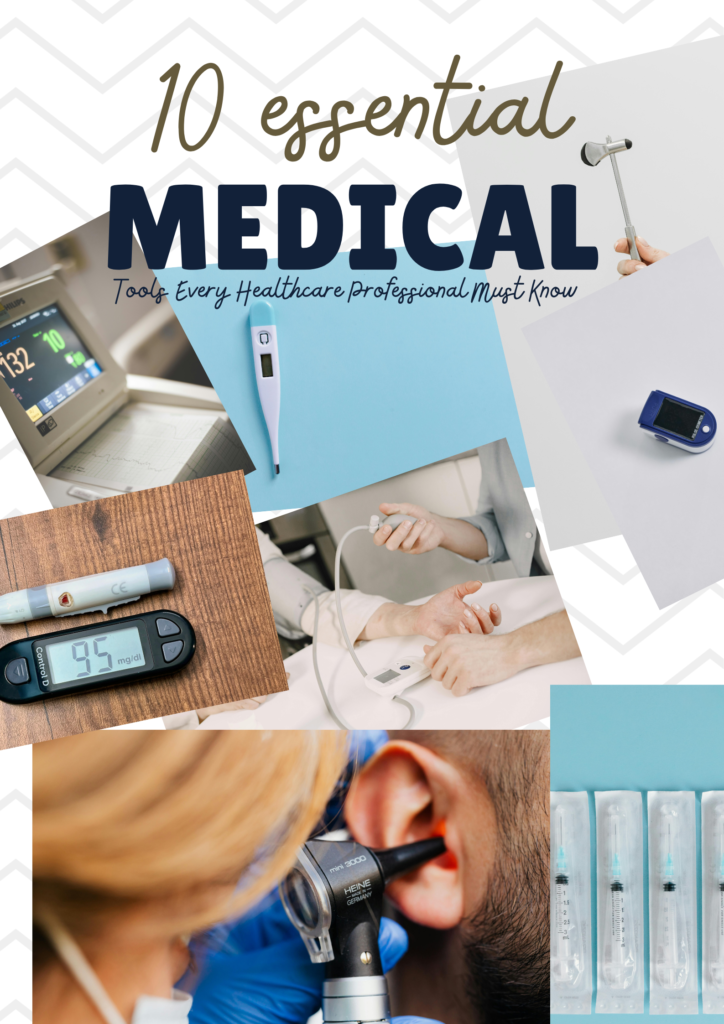
3. Thermometer
A thermometer is one of the simplest yet most important medical instruments.
Why It Matters
Body temperature is a key vital sign. Fever often indicates infection, while low temperature may signal other serious conditions.
Where It Is
- UsedHospitals and clinics
- Emergency care
- Home healthcare
Digital and infrared thermometers have made temperature measurement faster and more accurate.
4. Pulse Oximeter
The pulse oximeter has become a standard piece of healthcare equipment in recent years.
Why It is sense
This medical tool measures oxygen levels in the blood, helping healthcare professionals assess respiratory and cardiac function.
Common Uses
- Monitoring patients with lung disease
- Emergency situations
- Post-surgical care
Its non-invasive nature makes it easy to use and highly effective.
5. Otoscope
The otoscope is a specialized medical instrument used for ear examinations.
Why It Matters
Ear infections, earwax buildup, and eardrum damage are common issues. The otoscope allows clinicians to see inside the ear clearly.
Who Uses It
- General practitioners
- Pediatricians
- ENT specialists
This medical tool supports accurate diagnosis and proper treatment.
6. Reflex Hammer
The reflex hammer may look simple, but it plays an important role in neurological assessment.
Why It Matters
By testing reflexes, healthcare professionals can evaluate nerve function and detect neurological disorders.
Clinical Importance
Abnormal reflex responses can indicate:
- Nerve damageSpinal cord problems
- Muscle disorders
This makes the reflex hammer a vital diagnostic instrument.
7. Glucometer
The glucometer is a critical medical tool for diabetes care.
Why It Matters
Blood glucose monitoring helps prevent complications such as vision loss, kidney disease, and nerve damage.
Who Benefits
- Diabetic patients
- Emergency care providers
- Primary healthcare professionals
This healthcare equipment supports both diagnosis and long-term disease management.
8. Syringe and Needle
Syringes and needles are among the most frequently used medical instruments worldwide.
Why They Matter
They are essential for:
- Administering medication
- Giving vaccines
- Collecting blood samples
Safety Considerations
Modern syringes are designed to reduce infection risks and protect healthcare workers.
9. ECG (Electrocardiogram)
MachineThe ECG machine is an advanced piece of healthcare equipment used to assess heart health.
Why It Matters
It records the heart’s electrical activity, helping detect conditions such as:
- Irregular heart rhythms
- Heart attacks
- Structural heart problems
ECG machines are especially important in emergency and cardiology departments.
10. Defibrillator
The defibrillator is a life-saving medical tool used in cardiac emergencies.
Why It Matters
When a person experiences sudden cardiac arrest, immediate defibrillation can restore normal heart rhythm and save lives.
Public Health ImpactAutomated External Defibrillators (AEDs) are now placed in airports, schools, and public buildings, making this healthcare equipment accessible even outside hospitals.
Why Medical Tools Are Still Essential in Modern Healthcare
Even with advanced technology, medical tools remain essential because they:Provide quick and accurate assessmentsSupport early diagnosisImprove patient safetyReduce treatment delaysHealthcare professionals rely on these medical instruments every day to deliver effective care.
Care and Maintenance of Medical InstrumentsTo ensure accuracy and safety:
- Clean tools after each use
- Sterilize reusable instruments
- Calibrate electronic equipment regularly
- Store healthcare equipment properly
- Well-maintained medical tools improve reliability and patient trust.
In Conclusion
Medical tools are the foundation of healthcare practice. From basic instruments like thermometers to advanced equipment such as ECG machines and defibrillators, each tool plays a vital role in saving lives and improving health outcomes.Understanding these essential medical instruments helps healthcare professionals work more effectively and ensures better care for patients. As medicine continues to evolve, these tools will remain at the heart of quality healthcare.
Medical Disclaimer
The information provided in this article is for educational and informational purposes only and is not intended as medical advice. It should not be used as a substitute for professional medical diagnosis, treatment, or advice. Always consult a qualified healthcare professional with any questions regarding medical conditions or health concerns.